
Michelle Liggitt's Home on the Web


I Know What To Do, But Can't Make Myself Do It
You know the feeling.
You have the to-do list. You know what needs to happen. You might even want to do it. But somehow…you still can’t get started.
It’s frustrating. It’s self-defeating. And over time, it can absolutely murder your confidence (not to mention make it difficult to run a business or keep a job!).
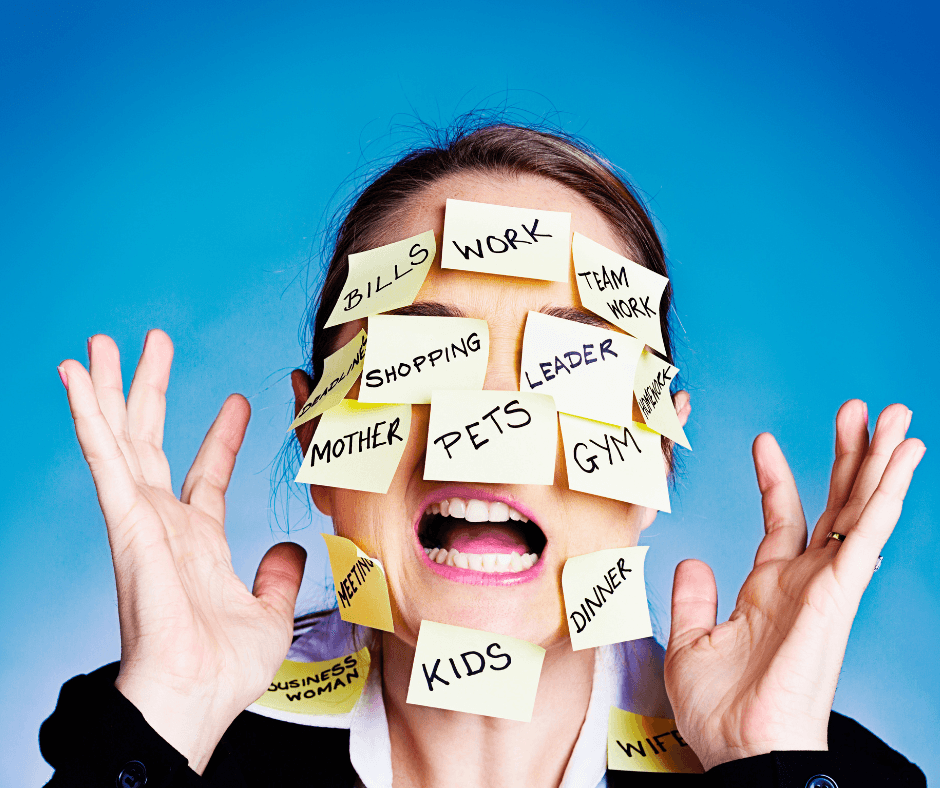
You might find yourself opening your laptop, ready to start - only to freeze. Or you stare blankly at your list, unable to decide what to tackle first. Or maybe you fall into a doomscroll spiral, chasing just enough dopamine to feel okay… while the day slips away from you.
Here’s the thing… it’s not just you.
When you’re navigating life with AuDHD, there are real forces working against you. ADHD task paralysis. Autistic demand avoidance. The push and pull of needing structure and craving novelty. Add in a world designed to hijack your attention at every turn, and it’s no wonder getting started feels so hard.
But there is good news.
When you begin to find what works for your brain, things can feel lighter. More doable. Even freeing. You can build a rhythm that supports you - whether you need daily encouragement or just occasional check-ins from people who truly get it.
In this post, I'm going to share three practical strategies to help you find the motivation to get started - without forcing yourself into systems that were never designed for you.
Ready? Let’s dig in.
Strategy #1: Break the Loop of Task Paralysis
You know the moment: you have a list of things to do… but choosing one feels impossible.
That’s not indecision or a lack of motivation. That’s overwhelm.
When everything feels equally important (or equally hard, or equally boring), your brain freezes to protect you.
Here are some options to start loosening that loop:
Make sure you have the list written down; tasks floating in your head are too nebulous. Once you write it down, the best choice may be obvious. But if writing it down didn't help. . .
Pick the smallest possible step instead of worrying about which is the “right” task. Checking this off can give you a dopamine hit and encourage you to continue.
Limit your choices (try narrowing your list to just the first 3 options at the top of the page, and pick one of those)
Ask: “What would make it feel easier to start?”
Give yourself permission to start messy
Why these can work: They reduce pressure and lower the barrier to entry, which is often the hardest part.
And here’s something many people don’t realize - sometimes clarity doesn’t come from thinking harder. It comes from being supported.
Having someone else look at your to-do list and ask guiding questions can create clarity surprisingly fast. Often, another person can spot patterns, priorities, or starting points that your overwhelmed brain simply can’t access in the moment.
That’s one reason I create tools and support systems specifically for AuDHDers. Sometimes what we really need isn’t more productivity advice — it’s compassionate outside perspective from someone who understands how our brains actually work.
Strategy #2: Manage Your Dopamine (Instead of Fighting It)
I hope you realize your brain isn’t broken! But it is wired to crave dopamine.
The challenge is that when your brain is under-stimulated, tasks can feel physically painful to start - even tasks you want to do.
It doesn't help that modern life makes it way too easy to get quick dopamine hits via notifications, videos, and endless scrolling, which makes starting tasks feel even harder by comparison.
That’s why dopamine management matters so much.
Here are a few simple ways to begin:
Reduce or eliminate scrolling, especially first thing in the morning (I cannot tell you how much this helped me)
Try short bursts of movement throughout your day (even a quick stretch or walk - personally, I walk outside on nice days, and pace through the house when the weather is too hot/cold/rainy/whatever)
Experiment with things like cold water exposure - even just splashing your face can help via vagus nerve stimulation. If you can tolerate 30 seconds or more of cold shower (you can have the water warmer before and after), it will boost your dopamine even more.
Match the work you tackle to your energy level - don’t try to force focus when your brain is depleted
Why these can work: You’re helping your brain reset its baseline, so that it feels regulated enough to engage with the tasks in front of you.
Inside my my coaching spaces and resources, we figure out which dopamine-management tools actually fit your life and skip the extreme routines you’ll abandon in three days. You learn how to build systems that balance structure and novelty - because AuDHD brains often need both.
Strategy #3: Don’t Do It Alone - Find Your People
While many AuDHDers thrive in work-from-home environments, motivation can feel impossible in isolation.
But something shifts when you’re not the only one trying to start.
Body doubling, accountability, and shared momentum are incredibly powerful for AuDHD brains - but only when they feel safe and supportive (not pressuring or stressful).
You can:
Partner with a friend for daily check-ins
Create an accountability group
Share your daily intentions with someone who understands
But here’s the key: Everyone involved needs to be on board. Otherwise, it can create tension instead of support.
That’s exactly why I created the Cozy Coworking Crew Discord.
It’s a space filled with people who truly understand the struggles of living and working with AuDHD every. single. day. There’s no judgment. No pressure to perform. We just gently support one another while tackling daily tasks together.
Some people (like me!) show up every day because they need higher levels of support and structure. Others pop in occasionally when they need a boost of momentum or encouragement.
Because sometimes, the difference between stuck and started is simply not being alone.
But Which One Should I Try First?
Maybe one of these stood out to you as being exactly what you need. If not, you might be wondering which of these strategies is the most effective.
The honest answer? It depends.
Every AuDHD brain has its own “flavor,” which means what works beautifully for one person might not click for another.
That’s why the best approach is to experiment:
Try one strategy for a couple of weeks
Notice what feels helpful (and what doesn’t)
Keep what works, adjust (or eliminate) what doesn’t
Then layer in another strategy
This step-by-step approach helps you build a system that actually fits you. It's not a quick fix, but it is effective.
You’re Closer Than You Think
Let’s recap (the tl;dr):
Simplifying decisions breaks the paralysis loop
Managing your dopamine helps make motivation more accessible
Support from others makes starting - and continuing - feel safer and easier
You don’t need to become a completely different person to get things done.
You just need the right tools, the right support, and the space to figure out what works for your brain. And when you do? Things begin to shift.
You start your day with more ease. You follow through more often. You feel more capable - and less stuck.
That version of you is absolutely possible.
You Deserve Support That Actually Helps
If you’ve spent years feeling frustrated with yourself because you “know what to do” but can’t seem to make yourself do it, I want you to know this:
You are not broken.
Your brain simply needs support it hasn't been getting.
When you start understanding your AuDHD patterns instead of fighting them, you stop wasting energy on shame and regret, and start building systems that help you move forward with more self-compassion, clarity, and consistency.
And perhaps most importantly, you realize you’re not alone.
If you’d like help with getting started on your day-to-day tasks, I'd love to support you in the Cozy Coworking Crew Discord.
It’s designed specifically for people like you - people who know what to do, but need the right environment and support to actually begin.
Come see what it’s all about and find your people!



All stories are poorly recollected and names have been altered to protect the guilty. This page probably contains affiliate links, meaning if you purchase something I link to on this page, I may earn a small commission at no extra cost to you.